


Electrical & Machinery
Precision Rubber Components for Electrical and Industrial Systems
Inter Rubber manufactures precision-engineered rubber components for electrical systems, industrial machinery, and equipment manufacturers. Designed to provide electrical insulation, vibration control, chemical resistance, and long-term durability, our process-controlled manufacturing ensures consistent quality across demanding applications.

Our Products
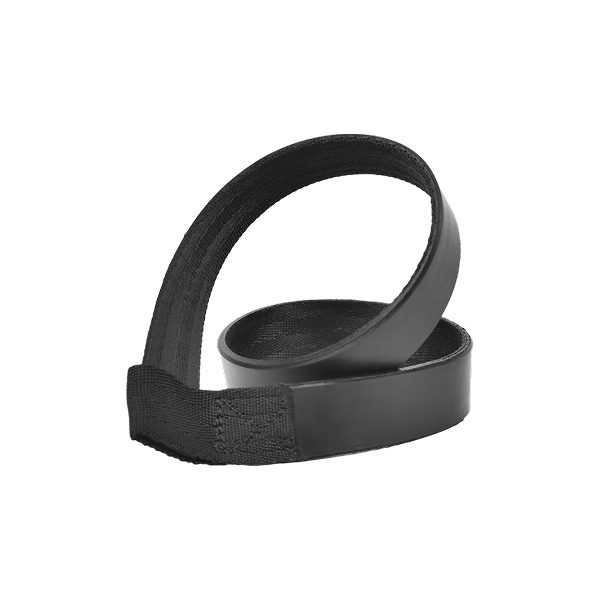
Anti-Slip PE Belt
Provides support and prevents slipping in mechanical systems.
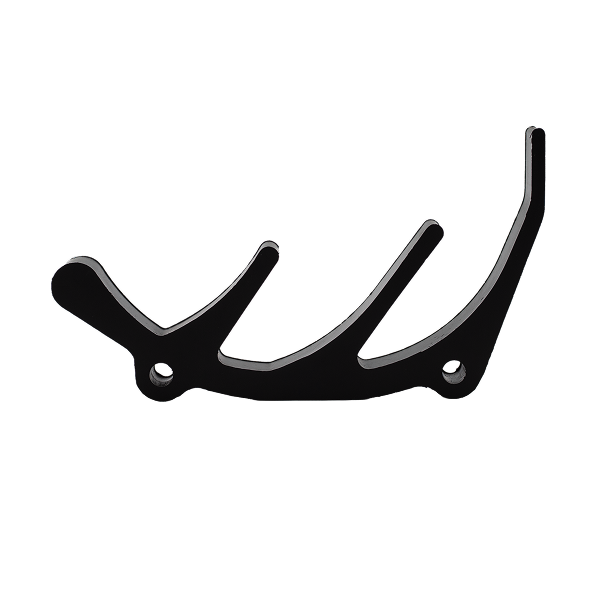
Rubber Vibration Damper
Reduces vibration and mechanical shock in equipment.
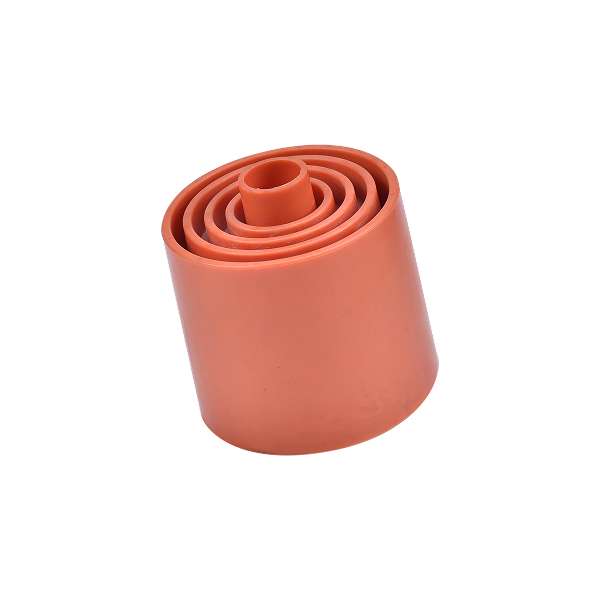
Dielectric Boot
Provides electrical insulation and protection for high-voltage components.
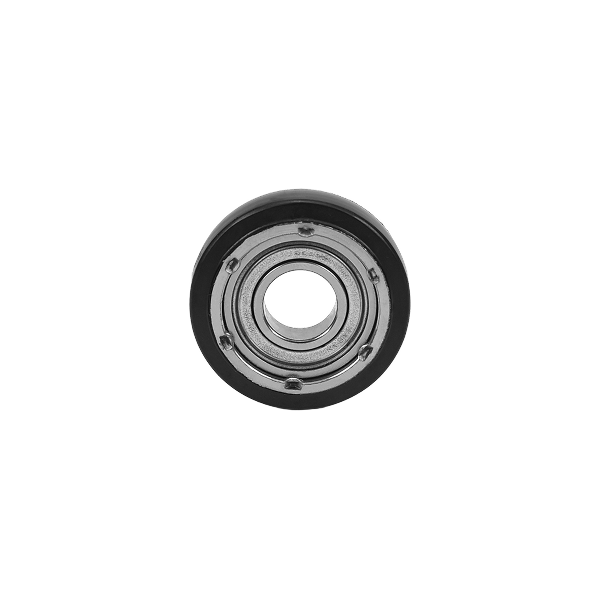
Guide Roller Assembly
Rubber-coated roller used in elevator guide shoe systems.
Guide Roller Assembly
Rubber-bonded roller used in elevator guide shoe systems to guide elevator movement along the rail while reducing vibration and noise.
Application
Use in elevator guide systems to maintain stable contact between the elevator car and guide rails.
Key Features
- Rubber-coated roller for vibration reduction
- Smooth rolling performance
- Designed for long-term mechanical durability
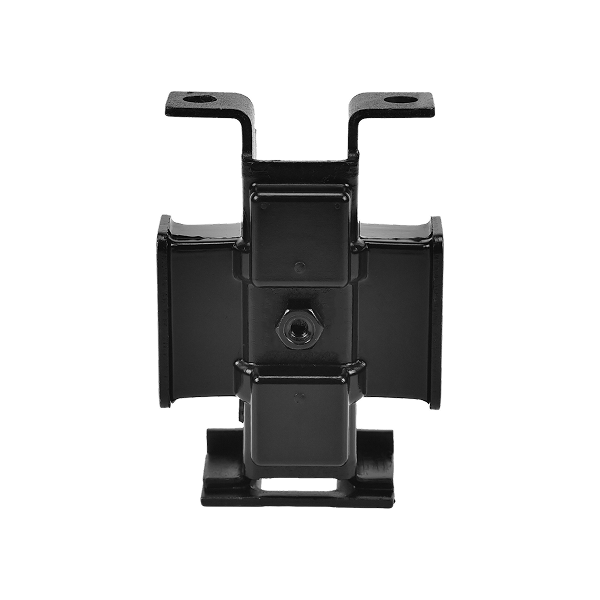
Elevator Shoe Support Assembly (Type B)
Rubber-metal bonded component used in elevator guide shoe systems to absorb vibration and maintain stable rail contact.
Elevator Shoe Support Assembly (Type B)
Rubber-metal bonded component used in elevator guide shoe systems to absorb vibration and maintain stable rail contact.
Application
Use in elevator systems to support guide shoes and reduce vibration between moving components and guide rails.
Key Features
- Rubber-metal bonded structure
- Reduces vibration and operational noise
- Improves stability of elevator guide systems
- Designed for long-term mechanical durability
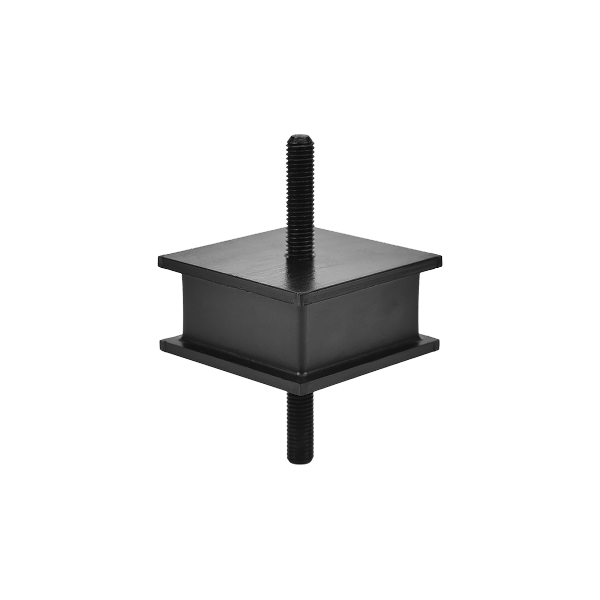
Elevator Shoe Support Assembly (Type A)
Rubber-metal bonded component used in elevator guide shoe systems to absorb vibration and maintain stable rail contact.
Elevator Shoe Support Assembly (Type A)
Rubber-metal bonded component used in elevator guide shoe systems to absorb vibration and maintain stable rail contact.
Application
Use in elevator systems to support guide shoes and reduce vibration between moving
components and guide rails.
Key Features
- Rubber-metal bonded structure
- Reduces vibration and operational noise
- Improves stability of elevator guide systems
- Designed for long-term mechanical durability
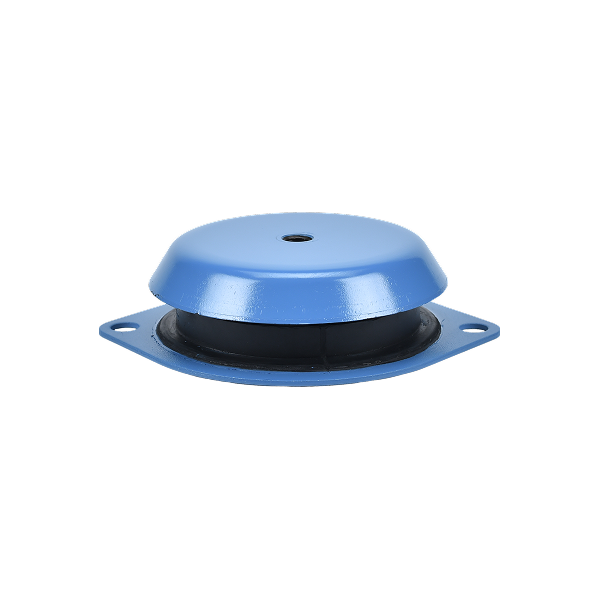
Rubber Vibration Isolator
Designed to reduce mechanical vibration and noise in machinery and equipment.
Rubber Vibration Isolator
Rubber-metal vibration isolator designed to reduce mechanical vibration and noise in machinery and equipment.
Application
Used in compressors, generators, pumps, and industrial machinery to protect structures from vibration.
Key Features
- Effective vibration and noise reduction
- Durable under continuous mechanical load
- Customizable dimensions and hardness
How We Work
Material Engineering
Custom rubber compounds
formulated and optimized to meet each application's performance, environmental, and regulatory requirements.
Design & Tooling
In-house engineering, mold design, and tooling optimize product performance and manufacturability before production begins.
Precision Manufacturing
Advanced manufacturing processes deliver consistent quality, tight tolerances, and reliable production across every batch.
Quality & Delivery
Every component undergoes rigorous inspection before packaging and delivery, ensuring consistent quality and production-ready components.

Trusted by Industries Worldwide
Trusted by leading brands around the world, we provide high-quality rubber products designed to perform in every environment and every industry.
- Fully Integrated Production
- Smart Production Systems
- Certified Materials & Testing
- Eco-Engineered Processes
Trusted by leading companies





Quality Assurance
Our commitment to quality is reinforced by internationally
recognized certifications, including ISO 9001, IATF 16949, and ISO
14001. From material development to production and final inspection, every process is carefully controlled to ensure precision, consistency, and reliability in every part we deliver.



Partner Reviews
Questions & Answers
Can Inter Rubber manufacture custom rubber components?
Yes. All parts are fully custom-made according to customer drawings, samples, specifications, and required quantities. We support both new product development and replacement parts.
What rubber materials does Inter Rubber support?
We work with EPDM, NBR, NR, SBR, CR, Silicone, FKM, NV, and custom-developed compounds tailored to performance requirements.
Does Inter Rubber design and manufacture molds in-house?
Yes. Our in-house tooling team designs, manufactures, and maintains molds to ensure consistent quality, shorter lead times, and long-term tool reliability.
What is Inter Rubber’s typical lead time?
- Prototype: 2–4 weeks
- Mass production: Depending on part complexity, materials, and order volume
What information is required for a quotation?
- Drawings (2D/3D)
- Sample parts (if available)
- Material requirements
- Estimated quantity
- Relevant standards or test requirements