
Rubber Material Comparison: NBR vs EPDM vs Silicone
Selecting the right rubber material is one of the most important factors affecting a component’s service life, performance, and long-term reliability.
Among the most widely used elastomers are NBR, EPDM, and Silicone Rubber. Each material offers unique characteristics and is designed for different operating environments.
Understanding these differences helps engineers and product designers select the most suitable material for their application.
NBR (Nitrile Butadiene Rubber)
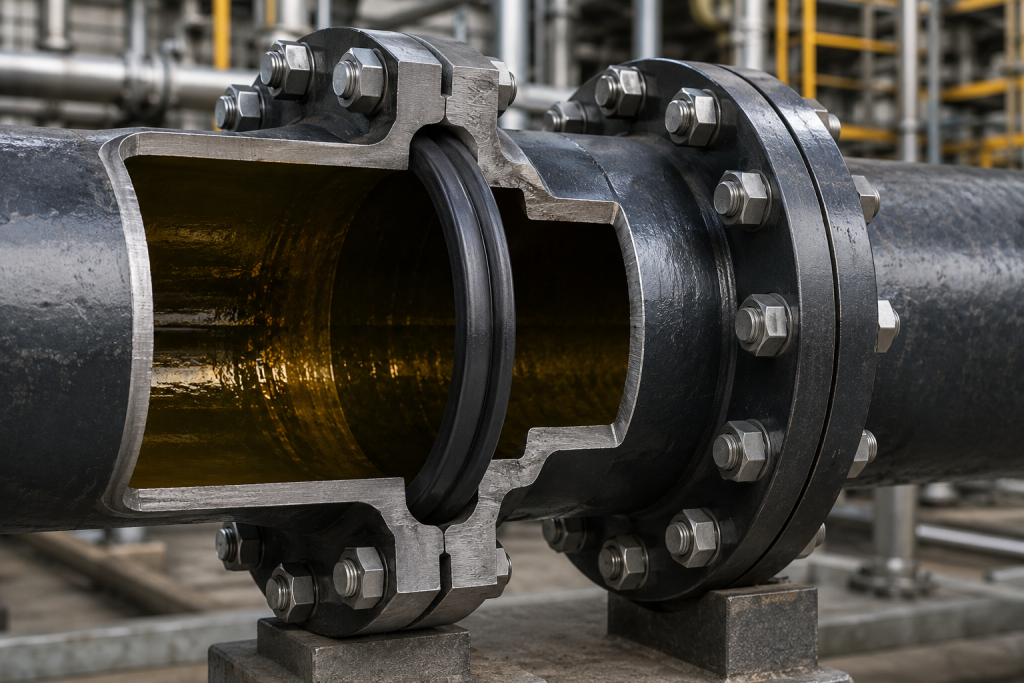
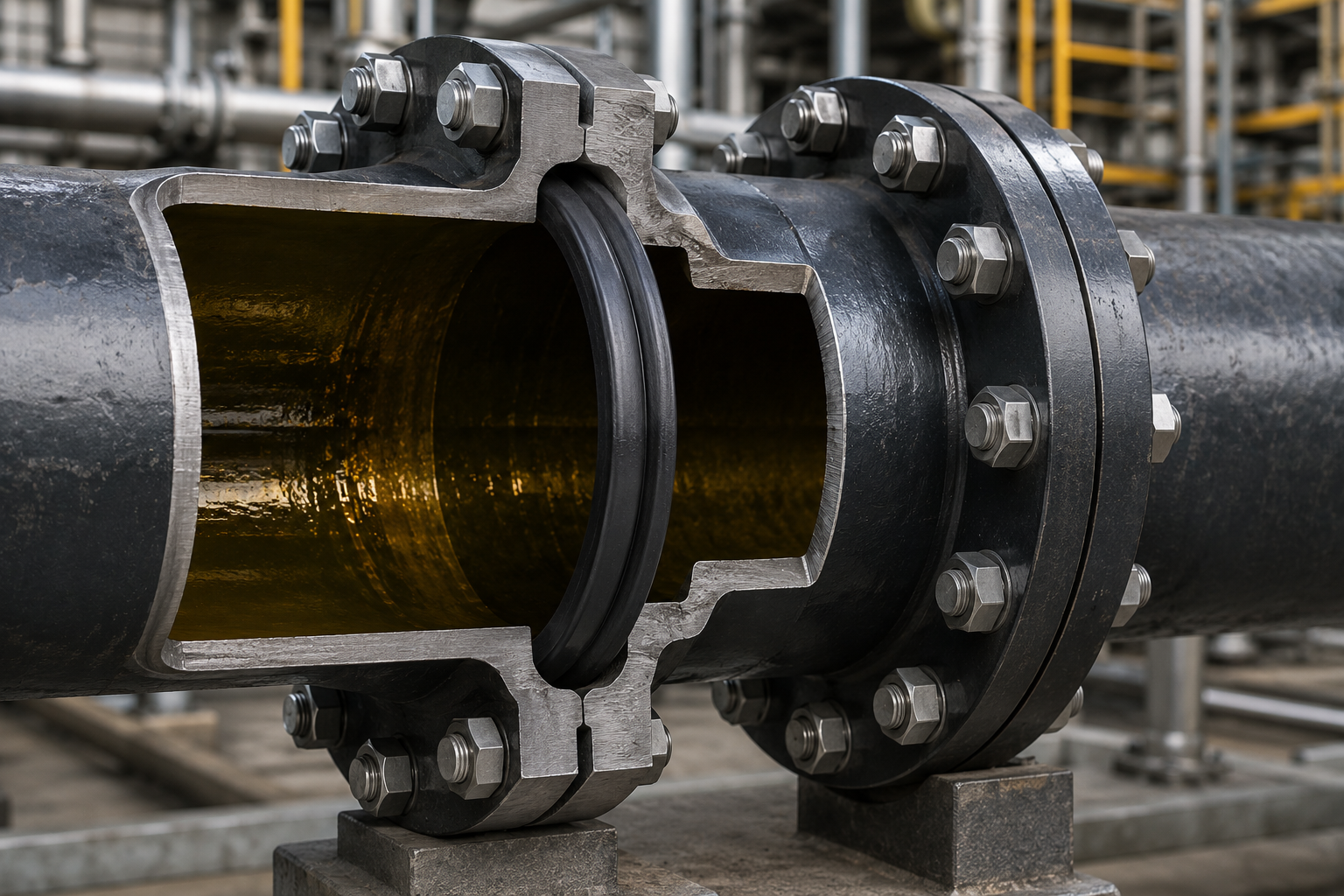
NBR Rubber in an Oil Pipeline Connection
Best suited for applications involving oils and fuels
Key Advantages
- Excellent resistance to oils and petroleum-based fluids
- Good mechanical strength and abrasion resistance
- Cost-effective for a wide range of industrial applications
制限
- Poor resistance to UV and ozone
- Not recommended for long-term outdoor exposure
EPDM (Ethylene Propylene Diene Monomer)

EPDM Rubber in an Automotive Window
Best suited for outdoor environments and general weather-resistant applications.
Key Advantages
- Excellent resistance to UV, ozone, and weathering
- Performs well in humid environments
- Ideal for water and steam applications
制限
- Poor resistance to oils and fuels
Silicone Rubber
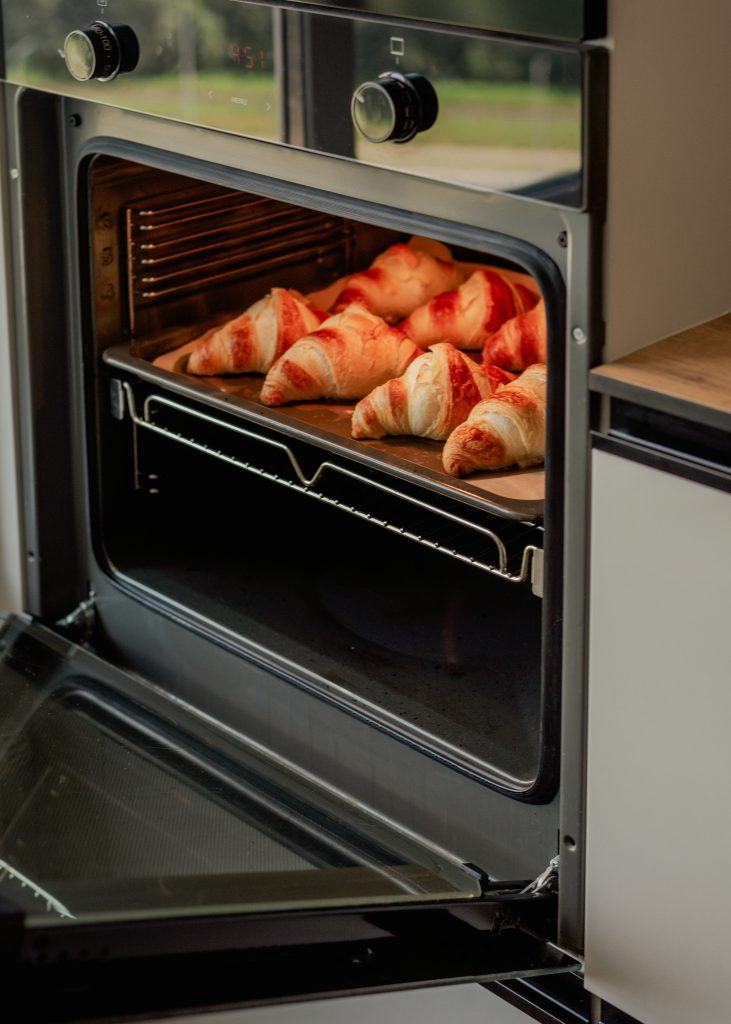
Silicone Rubber Used in an Industrial Oven
Best suited for applications requiring exceptional temperature resistance and material stability.
Key Advantages
- Wide operating temperature range (-60°C to over 200°C)
- Excellent stability across various environmental conditions
- High flexibility over a broad temperature range
制限
- Lower mechanical strength than NBR
- Higher material cost
Comparison of Key Properties
| Property | NBR | EPDM | シリコーン |
|---|---|---|---|
| Oil Resistance | Excellent | Poor | Moderate |
| UV & Ozone Resistance | Poor | Excellent | Good |
| High-Temperature Resistance | Moderate | Moderate | Excellent |
| Weather Resistance | Poor | Excellent | Good |
| Mechanical Strength | はい | Moderate | Lower |
| Property | NBR | EPDM | シリコーン |
Which Material Should You Choose?
Choose NBR when:
- The application involves oils or fuels
- High mechanical strength and cost efficiency are priorities
Choose EPDM when:
- The product will be used outdoors
- The application is exposed to UV, ozone, or moisture
- The system handles water or steam
Choose Silicone when:
- The application requires resistance to extremely high or low temperatures
- Long-term material stability is essential
Additional Design Considerations
Selecting a rubber material should not be based solely on polymer type.
Engineers should also evaluate:
- 動作温度
- Chemical exposure
- Applied loads and sealing conditions
- Expected service life
A comprehensive evaluation of these factors helps ensure reliable long-term performance.
Engineering Insights from Real-World Applications
Field experience shows that material performance varies significantly depending on the operating environment.
- NBR tends to age more rapidly during prolonged outdoor exposure due to its limited ozone resistance.
- EPDM generally provides more stable long-term performance in outdoor environments.
- シリコーン offers outstanding temperature resistance but may not be the best choice for applications subjected to high mechanical loads.
No single rubber material is the best solution for every application.
Selecting the right material requires balancing operating conditions, performance requirements, and the inherent characteristics of each elastomer.
A thorough understanding of NBR, EPDM, and Silicone enables more effective product design and more reliable material selection.
Looking for Expert Guidance on Rubber Material Selection?
If you’re selecting a rubber material for a specific application or need to meet demanding performance requirements, Inter Rubber’s engineering team is ready to help.
We can assist with:
- Evaluating your operating conditions
- Recommending the most suitable rubber material and compound
- Optimizing formulations to meet your application requirements
Contact our team for expert consultation.