
Rubber Seals
Rubber seals are critical components widely used across industrial applications and found in many everyday products. Their primary role is to prevent leakage and protect system integrity, ensuring reliable and efficient operation throughout the product lifecycle. Key functions of rubber seals include:
- Preventing leakage of liquids, gases, and pressurized media
- Protecting internal components from contaminants such as dust, dirt, water, and other foreign particles
- Maintaining system pressure, particularly in hydraulic and pneumatic systems
- Reducing vibration and noise in certain applications
- Separating different operating environments, such as preventing the mixing of water and oil or isolating media with different temperatures and properties
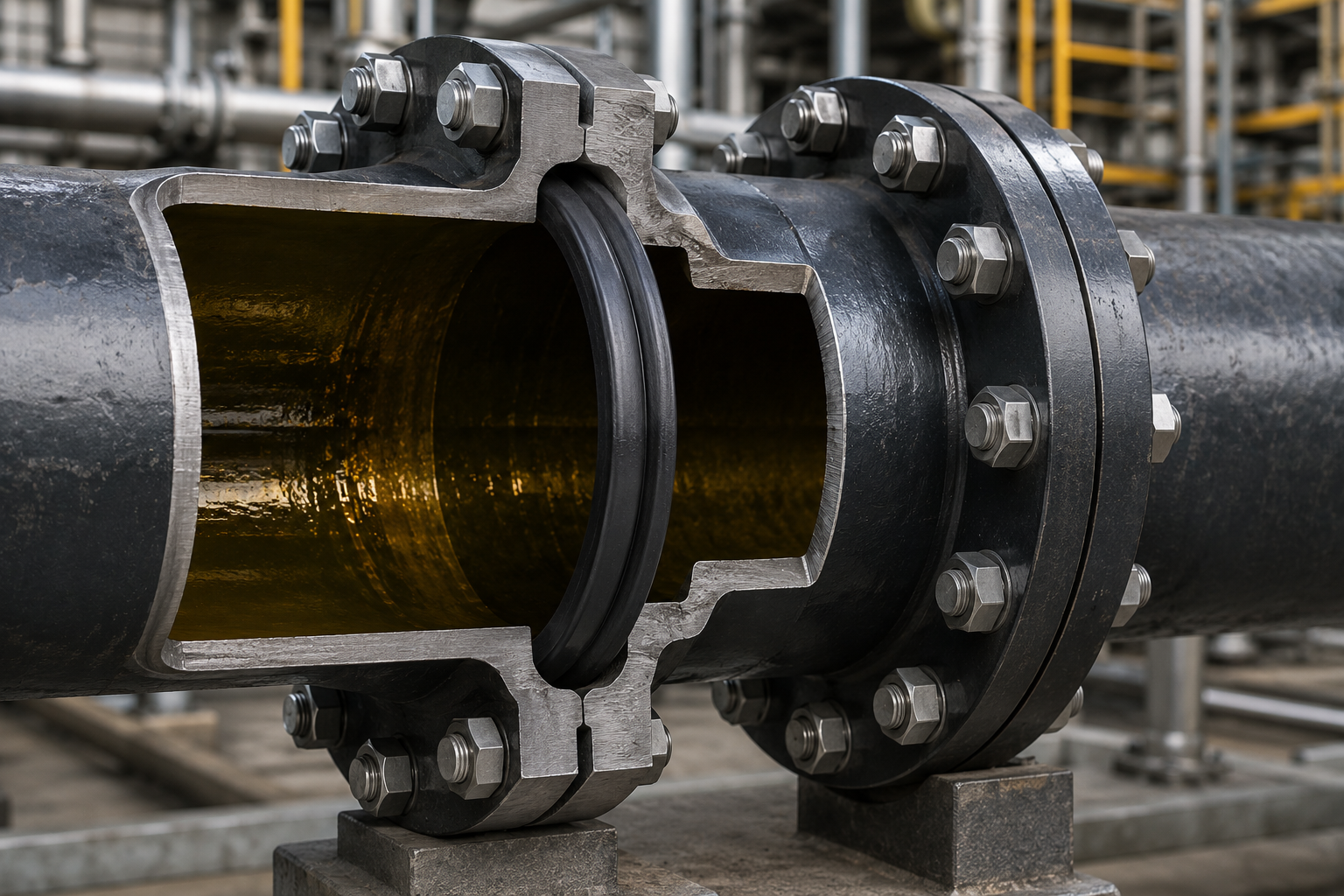
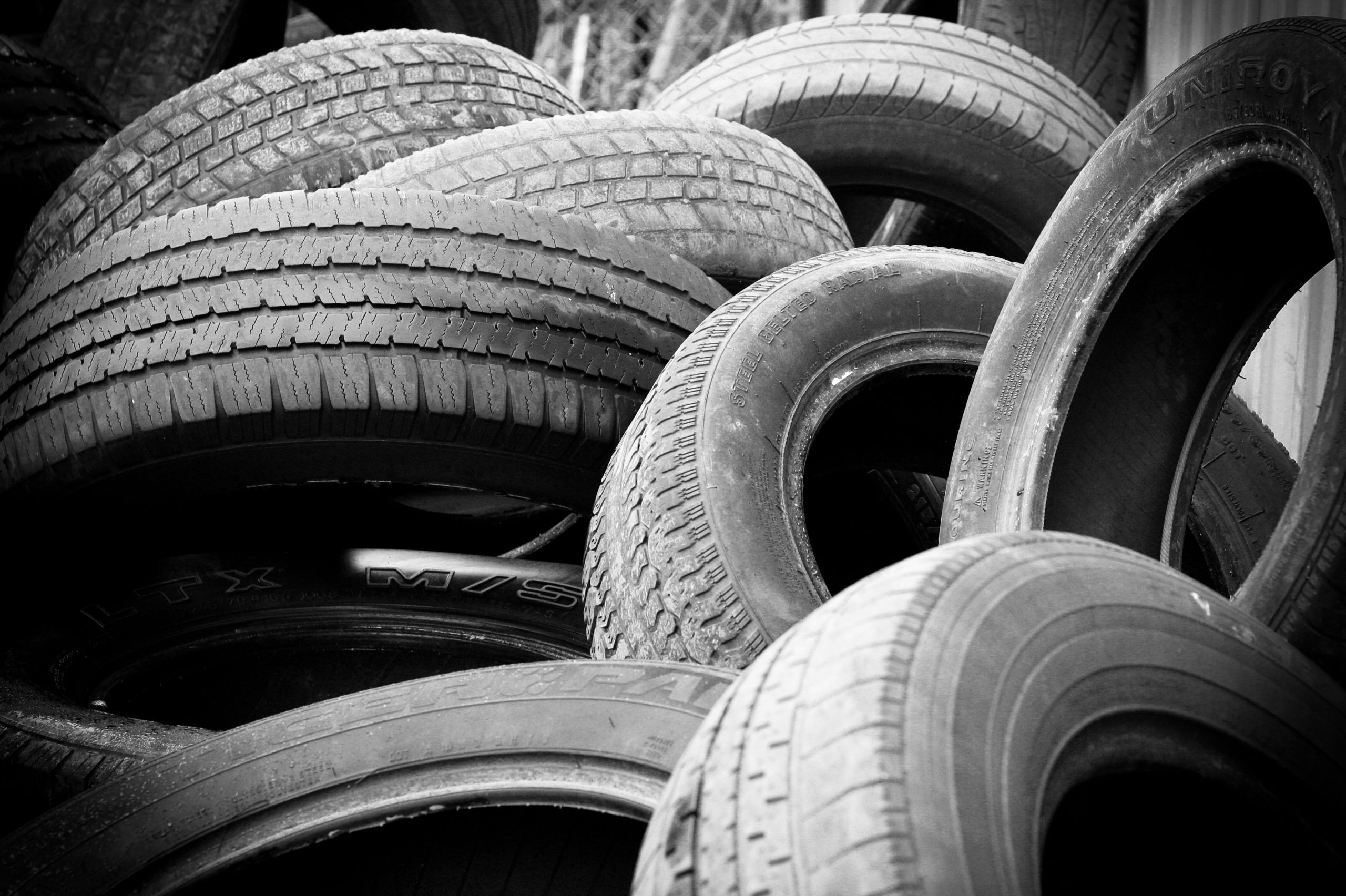
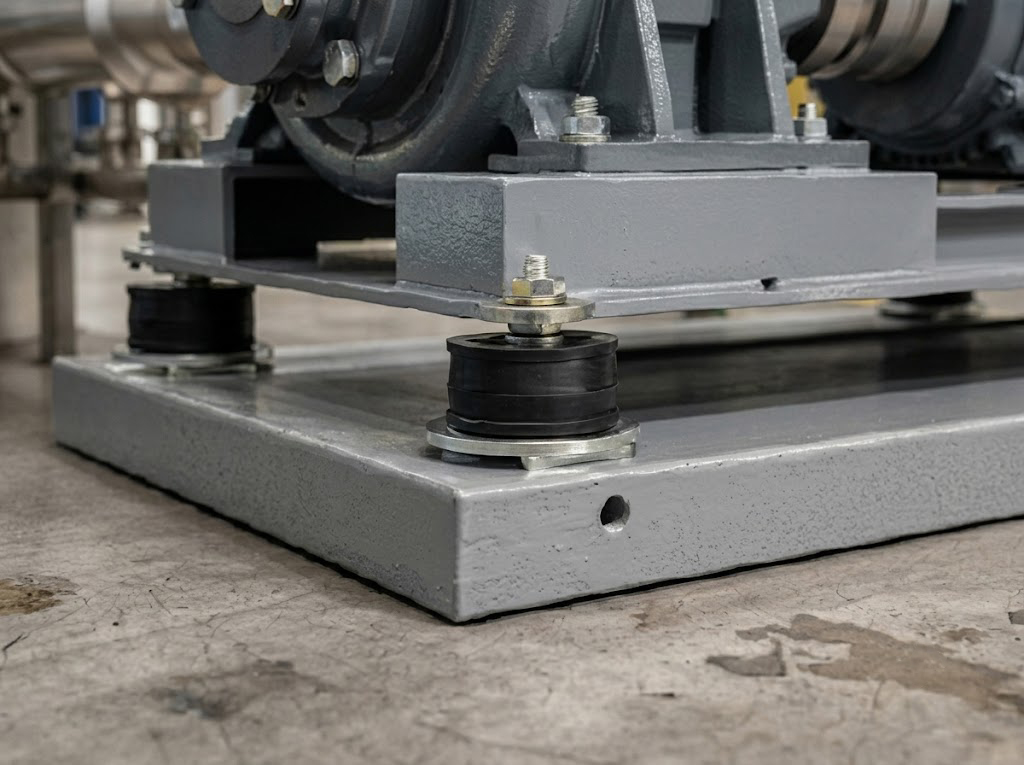
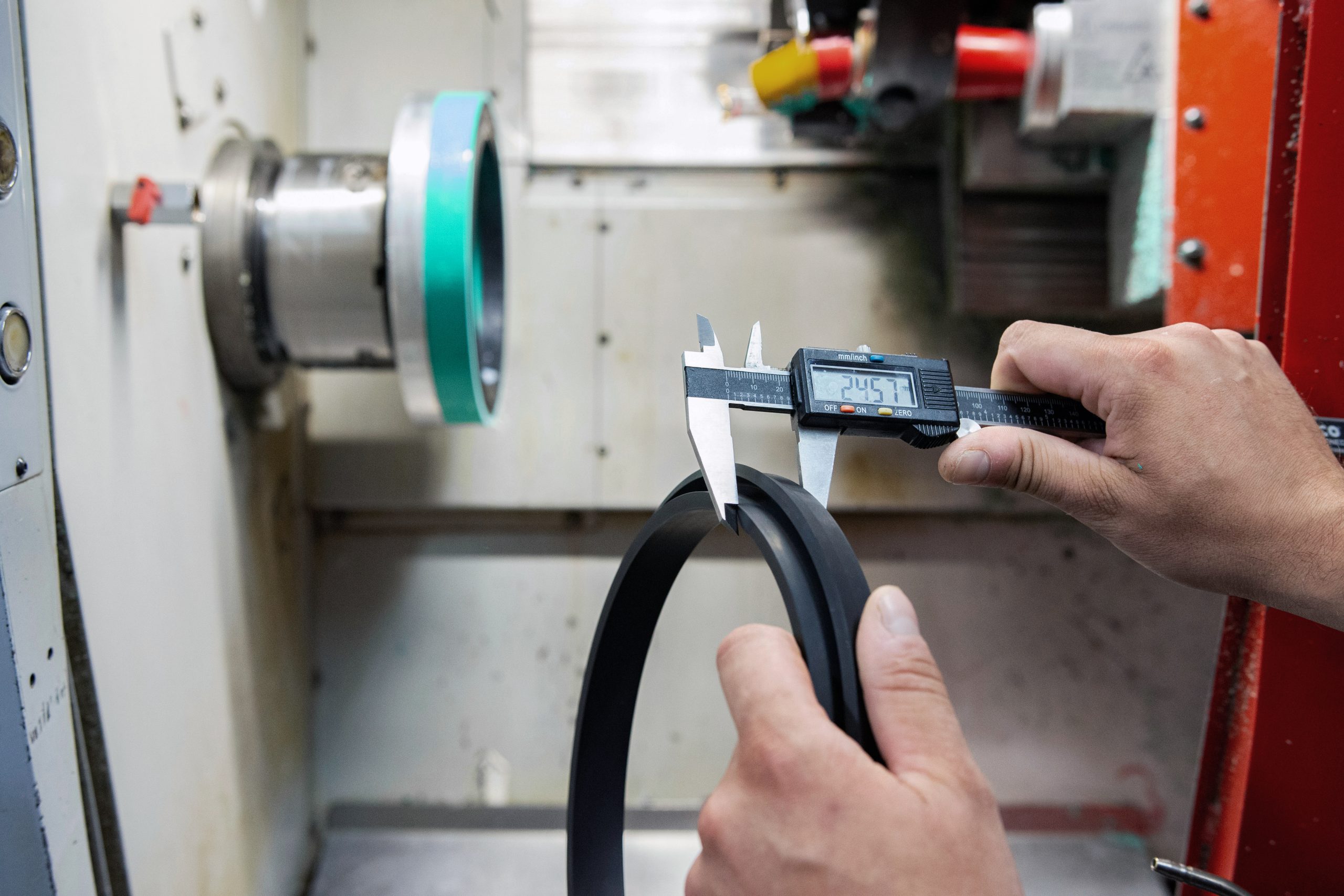
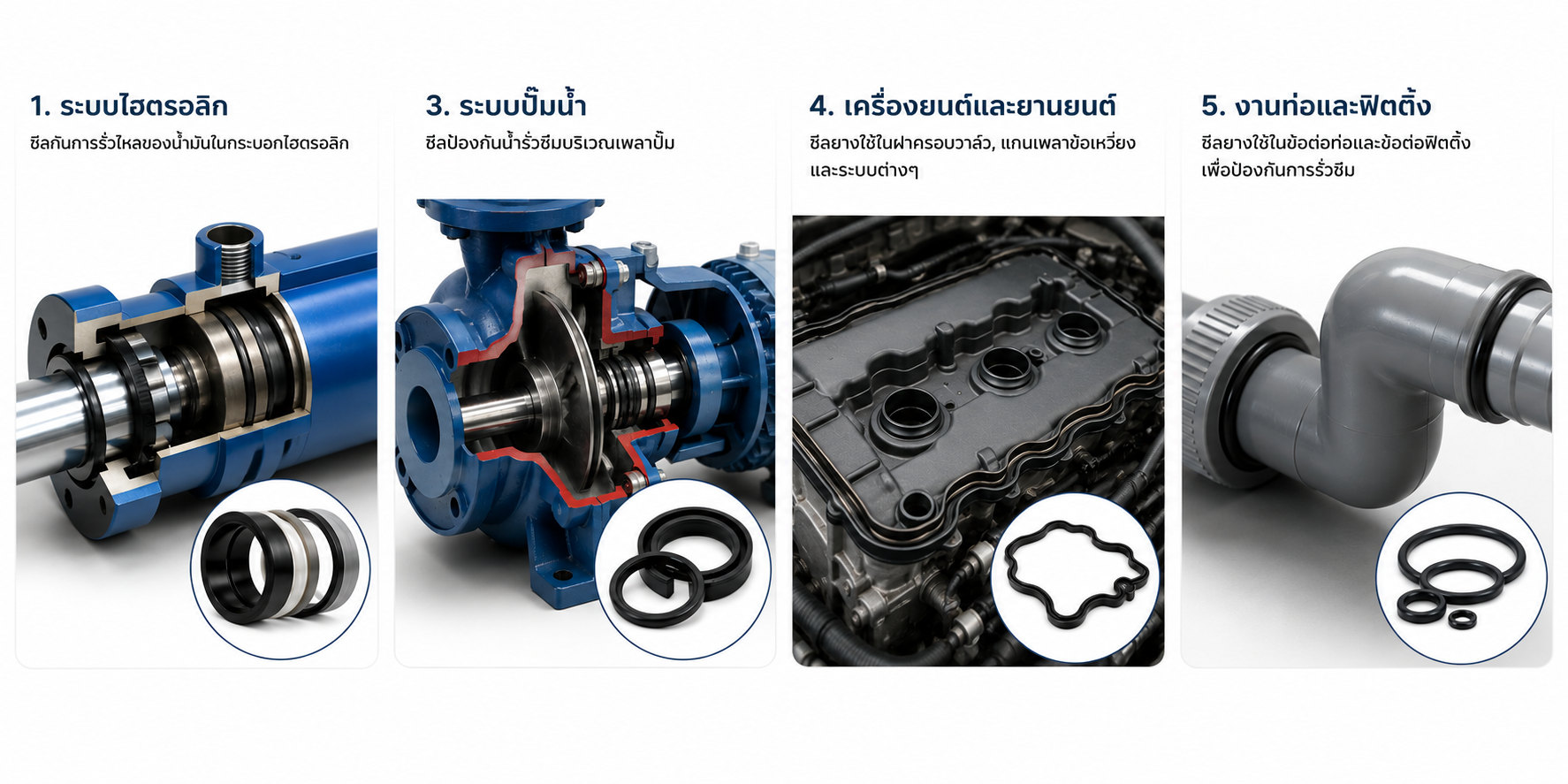
Examples of rubber seal applications across various industries
Factors Affecting Rubber Seal Performance and How to Prevent Failure
1. Rubber Material Selection and Seal Dimensions
Selecting an unsuitable elastomer or an incorrectly sized seal can significantly reduce service life and sealing performance.
Prevention:
Choose the appropriate rubber material for the application:
- NBR – Suitable for oil-resistant applications
- EPDM – Excellent resistance to UV, ozone, oxygen, and outdoor environments
- Silicone – Ideal for applications requiring a wide operating temperature range
- Viton® (FKM) – Suitable for demanding applications involving extreme temperatures, oils, and chemicals
Optimize Seal Compression
A rubber seal must be compressed within an appropriate range (typically 10–30%, depending on seal type). Excessive compression may accelerate material fatigue and cracking, while insufficient compression can lead to leakage.
Seal designs should also consider wear allowance, serviceability, and manufacturing tolerances to ensure long-term reliability.
2. Operating Temperature
Excessive heat can cause rubber to harden and become brittle, while extremely low temperatures can reduce elasticity and sealing effectiveness.
Prevention: Ensure operating temperature and pressure remain within the performance limits of the selected material.
3. Chemical and Fluid Exposure
Exposure to incompatible oils, greases, or chemicals may cause swelling, softening, degradation, or premature seal failure.
Prevention: Verify chemical compatibility and avoid exposing seals to fluids that are unsuitable for the selected elastomer.
4. UV and Ozone Exposure
Continuous exposure to UV radiation and ozone can accelerate aging, resulting in cracking and loss of flexibility.
Prevention: Minimize exposure to UV and ozone or select weather-resistant materials such as EPDM.
5. System Pressure
Excessive pressure may deform the seal and accelerate wear, while insufficient pressure may reduce sealing effectiveness and increase the risk of leakage.
Prevention: Design and operate the sealing system within the pressure limits of the selected seal configuration.
6. Friction and Dynamic Movement
Relative motion between sealing surfaces can generate frictional heat, leading to accelerated wear.
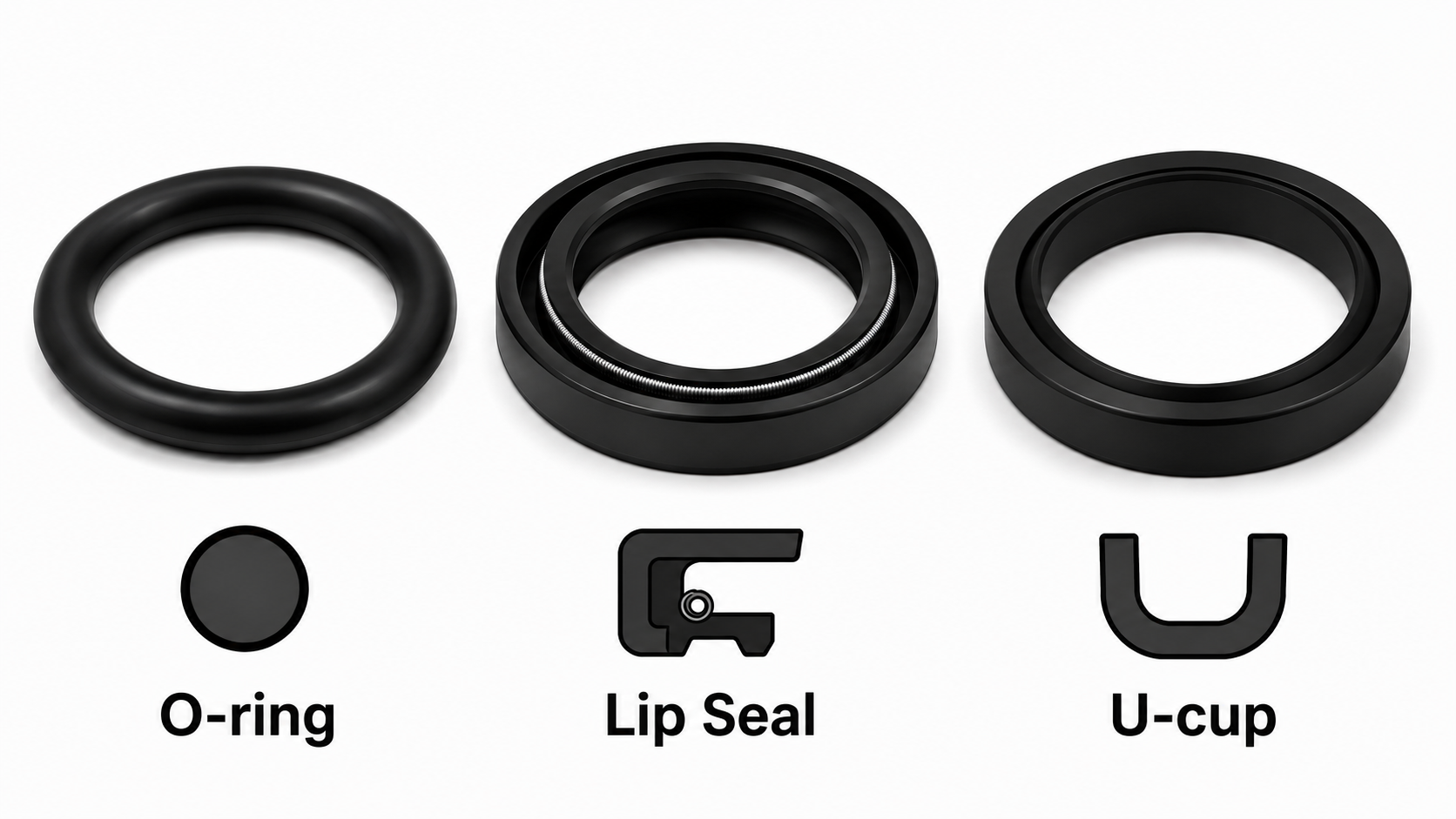
Prevention: Reduce friction through proper lubrication using oils, greases, or specialized coatings. Selecting the correct seal type is equally important:
- Static Seals (e.g., covers, pumps, valves) → Standard O-rings
- Dynamic Seals (e.g., pistons, rotating shafts) → Lip Seals or U-Cup Seals
7. Seal Groove Design
An improperly designed groove can either over-compress the seal or fail to provide sufficient sealing force, resulting in premature failure or leakage.
Prevention: Design seal grooves with appropriate clearance to accommodate rubber expansion while maintaining proper compression.
8. Contamination and Foreign Particles
Dust, debris, and contaminants can damage sealing surfaces and compromise sealing performance.
Prevention: Use additional protection such as Dust Seals or Wiper Seals to prevent contaminants from reaching the primary sealing element.
9. Surface Finish
Surface roughness directly affects seal performance. Excessively rough surfaces increase wear, while overly smooth surfaces may negatively affect lubrication retention.
Prevention: Maintain an optimized surface finish appropriate for the sealing application.
10. Storage Conditions
Improper storage may cause rubber materials to age or deteriorate before use, reducing performance and service life.
Prevention: Establish appropriate shelf-life management procedures and maintain controlled storage conditions. Regularly inspect seal inventory and replace materials according to recommended service intervals.
11. Incorrect Installation
Improper installation or assembly can deform, damage, or prematurely wear the seal.
Prevention: Design sealing systems for ease of installation, minimizing the risk of twisting or tearing during assembly. Always ensure components and installation areas are clean before installation.
Looking for a rubber seal designed for your specific application?
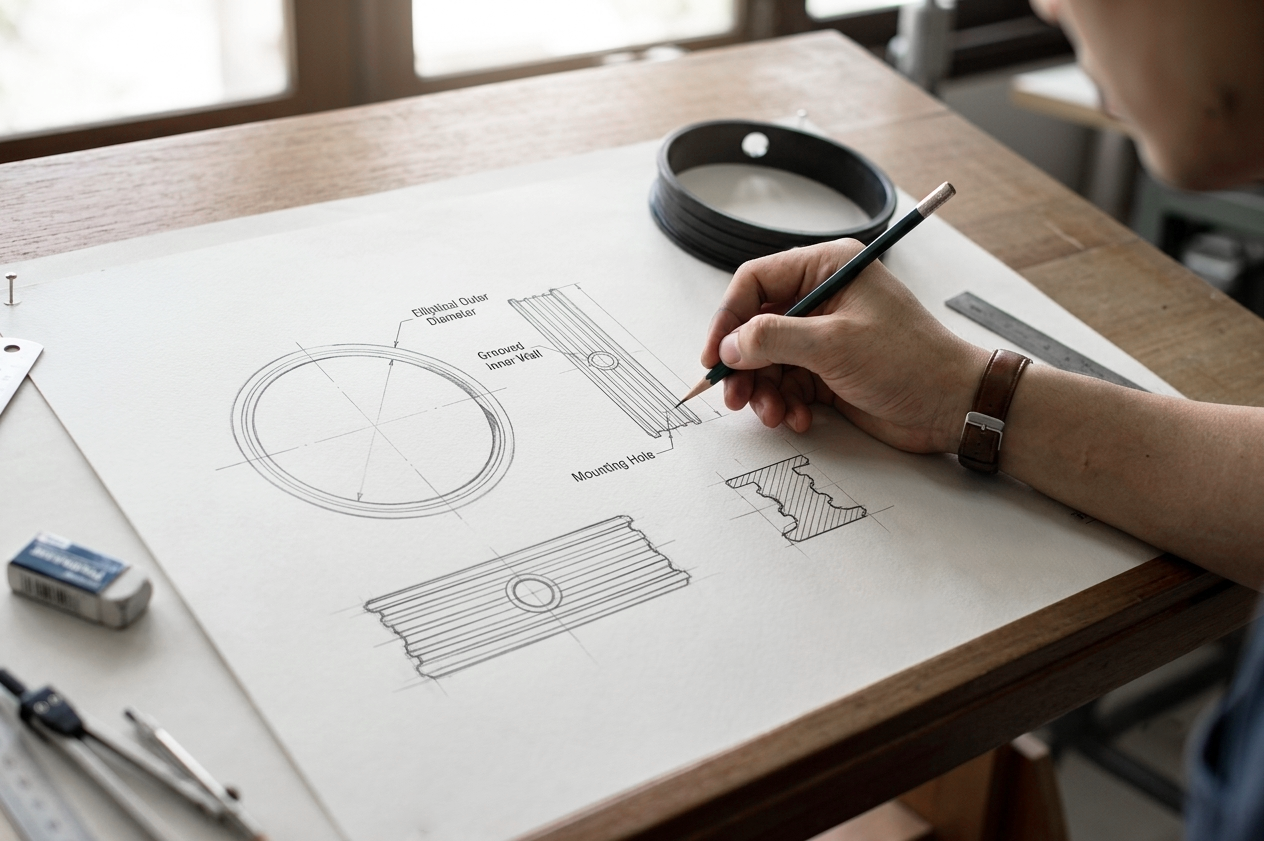
Inter Rubber supports the design and development of rubber seals tailored to your operating requirements, helping ensure reliable long-term performance. Contact our team to select and develop the right rubber sealing solution for your application.