
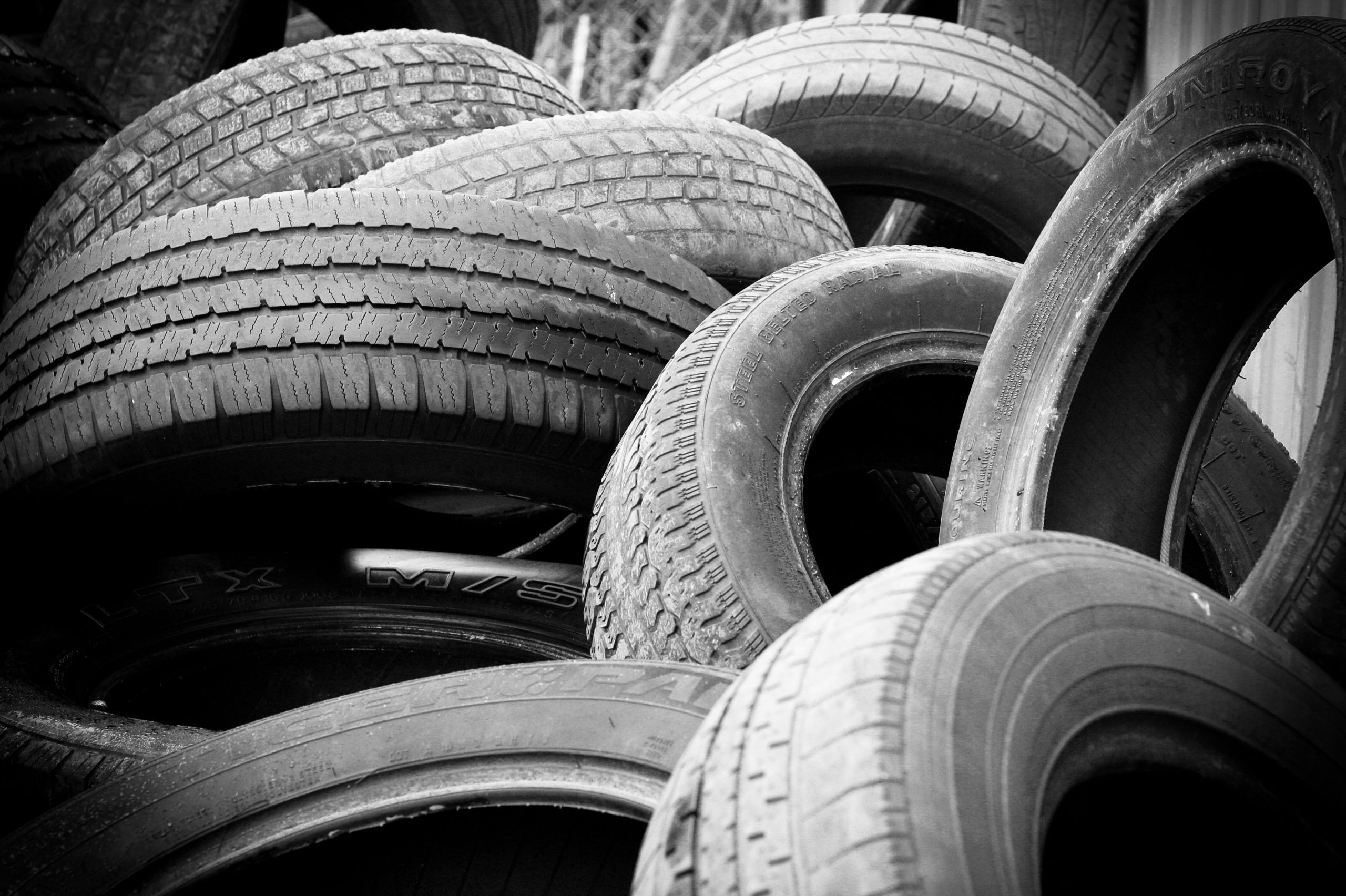
During 2024–2025, global production of natural and synthetic rubber exceeded approximately 40–41 million metric tons annually. With the average service life of rubber products ranging from 5–10 years, an estimated 21–24 million metric tons of rubber waste are generated each year, representing approximately 1% of total global waste. The majority of this waste originates from end-of-life tires (ELTs).
To address this challenge, international initiatives such as Global Waste Tire Management and Global End-of-Life Tire (ELT) Management have been developed to reduce environmental impact and transform waste tires into valuable resources through recovery, recycling, and reuse, rather than sending them to landfill. Several key approaches are widely adopted worldwide.
1. Energy Recovery (Tire-Derived Fuel: TDF)
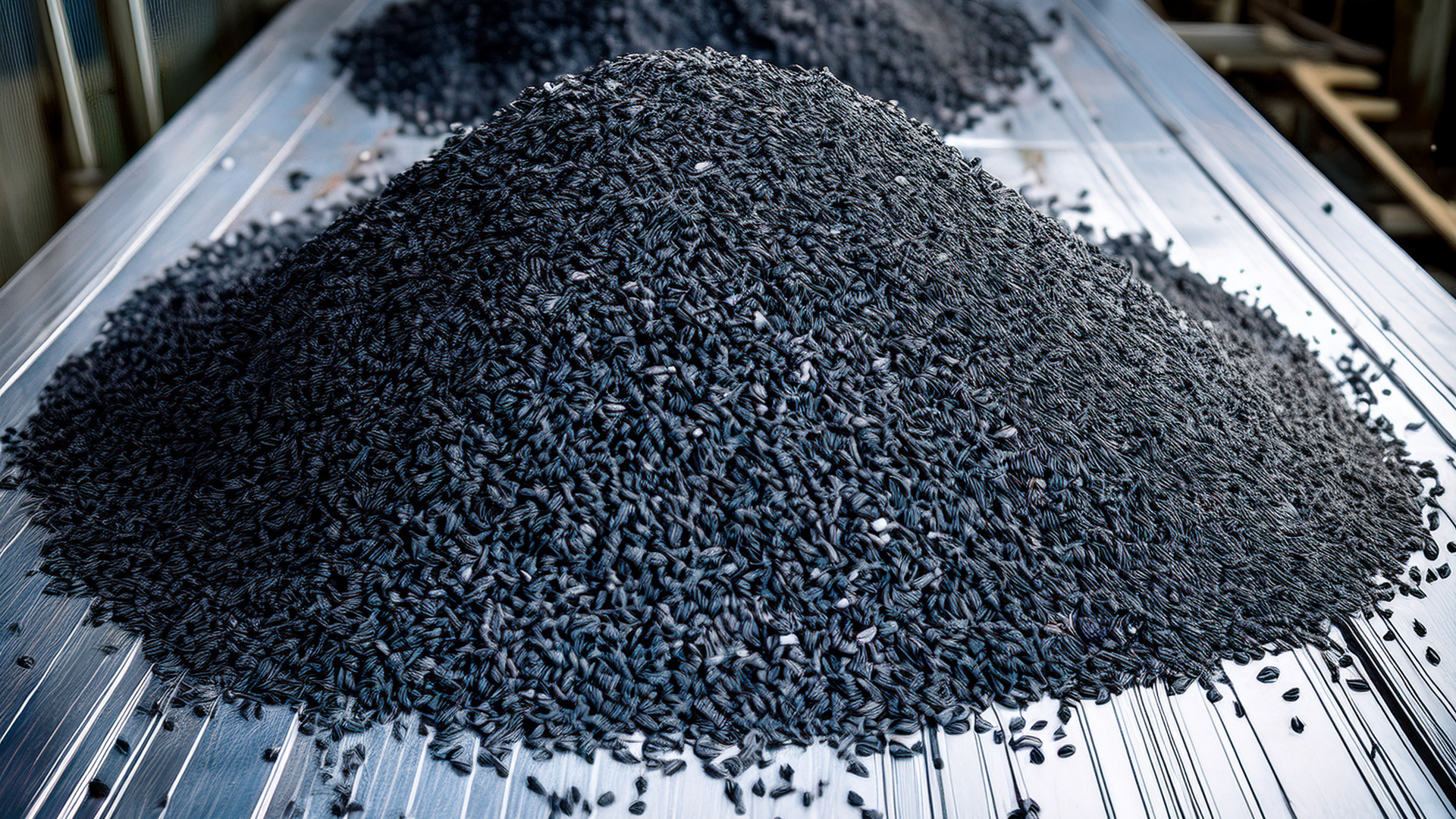
Converting Waste Tires into Energy
Tire-Derived Fuel (TDF) involves shredding end-of-life tires into smaller pieces and using them as an alternative fuel source in industrial facilities such as cement plants and power generation facilities. This method accounts for approximately 25% of global waste tire management activities.
Advantages
- Reduces dependence on fossil fuels and coal
- Effectively reduces the accumulation of waste tires
- Relatively low processing cost
Limitations
- Generates comparatively high air emissions
- The large size of tires increases transportation and storage requirements
2. Pyrolysis
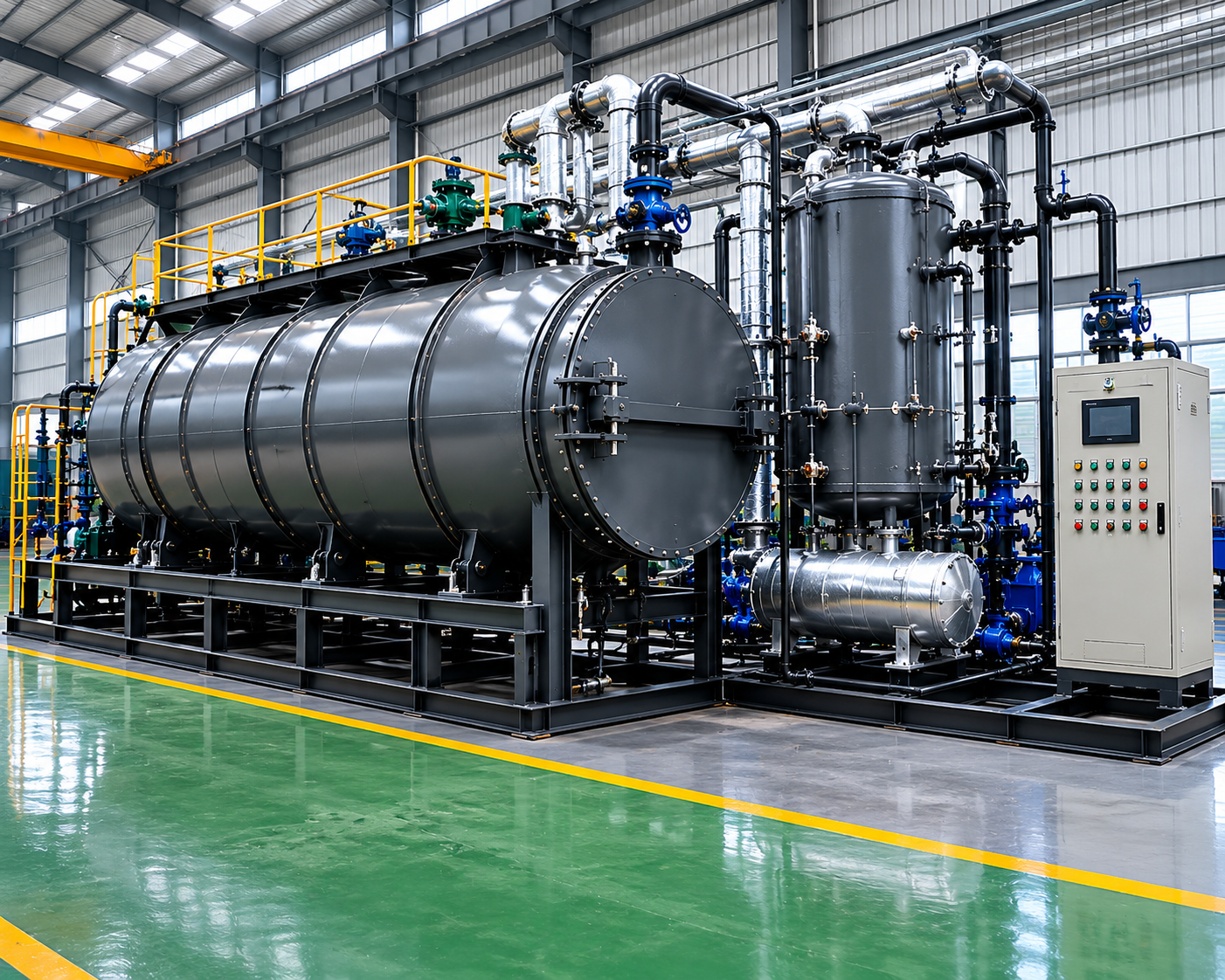
Converting Waste Tires into Valuable Materials
Pyrolysis is a thermal decomposition process conducted in the absence of oxygen, converting end-of-life tires into valuable products such as Tire Pyrolysis Oil (TPO), recovered Carbon Black, and combustible gases.
Advantages
- Supports near-zero-waste management
- Converts waste into commercially valuable products such as oil and Carbon Black
- More environmentally responsible than Tire-Derived Fuel combustion
- Easier transportation and storage compared to TDF systems
Limitations
- High capital and operating costs
- Product quality can vary depending on feedstock and process conditions
- Requires high operating temperatures and involves flammable gases, demanding strict safety controls
3. Retreading
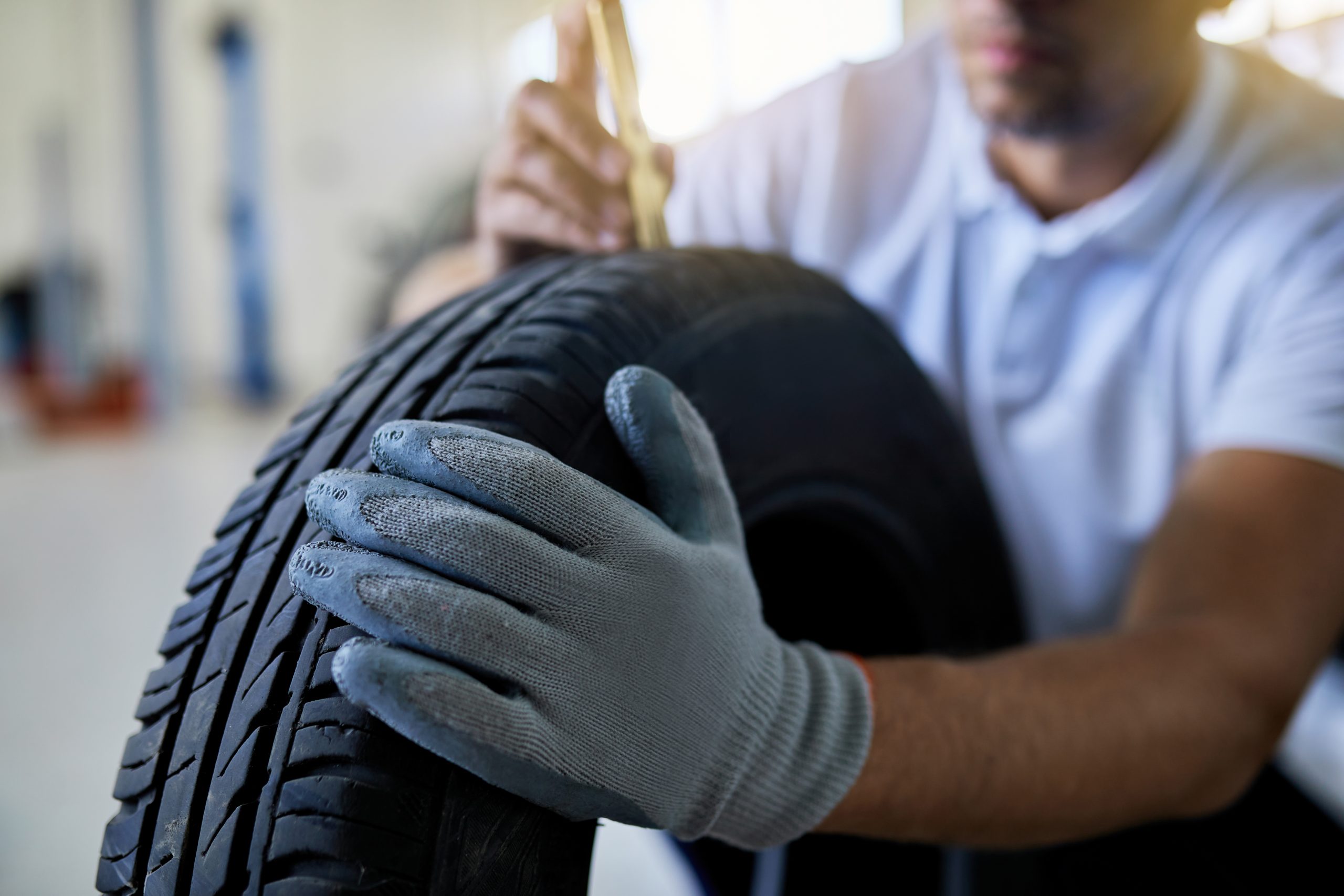
Retreading is the process of restoring worn vehicle tires whose tread has reached the end of its service life while the internal casing remains structurally sound. The original tread surface is removed, the casing is inspected and prepared, and a new tread is applied, allowing the tire to be returned to service.
Compared with manufacturing a new tire, retreading can reduce energy consumption by up to 50%. The process is commonly used for truck tires, bus tires, and aircraft tires.
Advantages
- More cost-effective than purchasing new tires
- Reduces resource consumption and environmental impact
- Extends tire service life
- Can deliver performance comparable to new tires when properly manufactured and maintained
Limitations
- Higher heat buildup during operation and less effective heat dissipation than new tires
- Not suitable for tires with damaged internal structures
- Requires more rigorous inspection and maintenance practices
4. Material Recycling
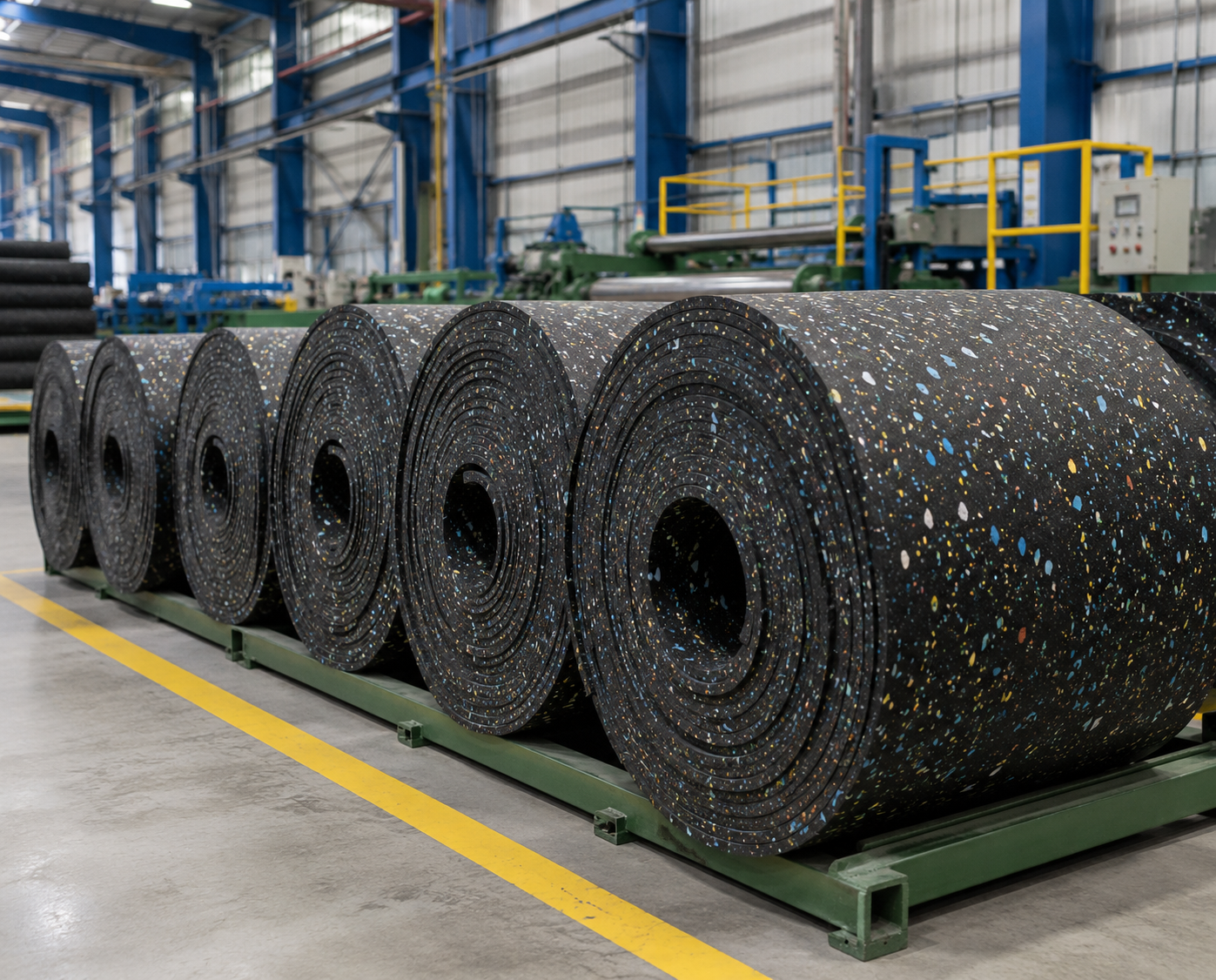
Recycled Rubber
Recycled rubber is produced by processing used rubber products such as medical gloves, tires, industrial rubber components, and production scrap through methods such as grinding, thermal treatment, or material restructuring. These processes enable the material to be reused while retaining certain properties such as elasticity and durability.
Among waste tire management solutions, material recycling is considered one of the most sustainable approaches for long-term resource utilization. Types of Recycled Rubber
- Crumb Rubber
Rubber mechanically processed into small granules or particles. - Reclaimed Rubber
Rubber treated through thermal and chemical processes to restore material characteristics closer to those of raw rubber - Devulcanized Rubber
Rubber processed through chemical techniques that partially break sulfur crosslinks, allowing the material to be more easily reprocessed and molded into new products.
Advantages
- Reduces rubber waste while supporting environmental sustainability
- Minimizes the volume of material sent to landfill or incineration
- Improves cost efficiency
- Reduces dependence on virgin natural resources
Limitations
- Material quality can vary significantly depending on the source material and recycling process
- Certain properties may be inferior to virgin rubber, including strength, elasticity, adhesion performance, and odor characteristics
- Potential contamination from residual metals, fillers, or chemicals
- Generally unsuitable for highly demanding engineering applications requiring precise mechanical performance
- Regulatory and safety restrictions may limit use in food-contact products and medical applications
Applications of Recycled Rubber
Recycled rubber can be utilized across a wide range of applications, including:
- Sports surfaces and playground flooring
- Impact-absorbing flooring and surface materials
- Construction and infrastructure projects
- Rubberized asphalt for road construction
- Interior products and furniture applications, such as anti-slip mats and acoustic insulation materials
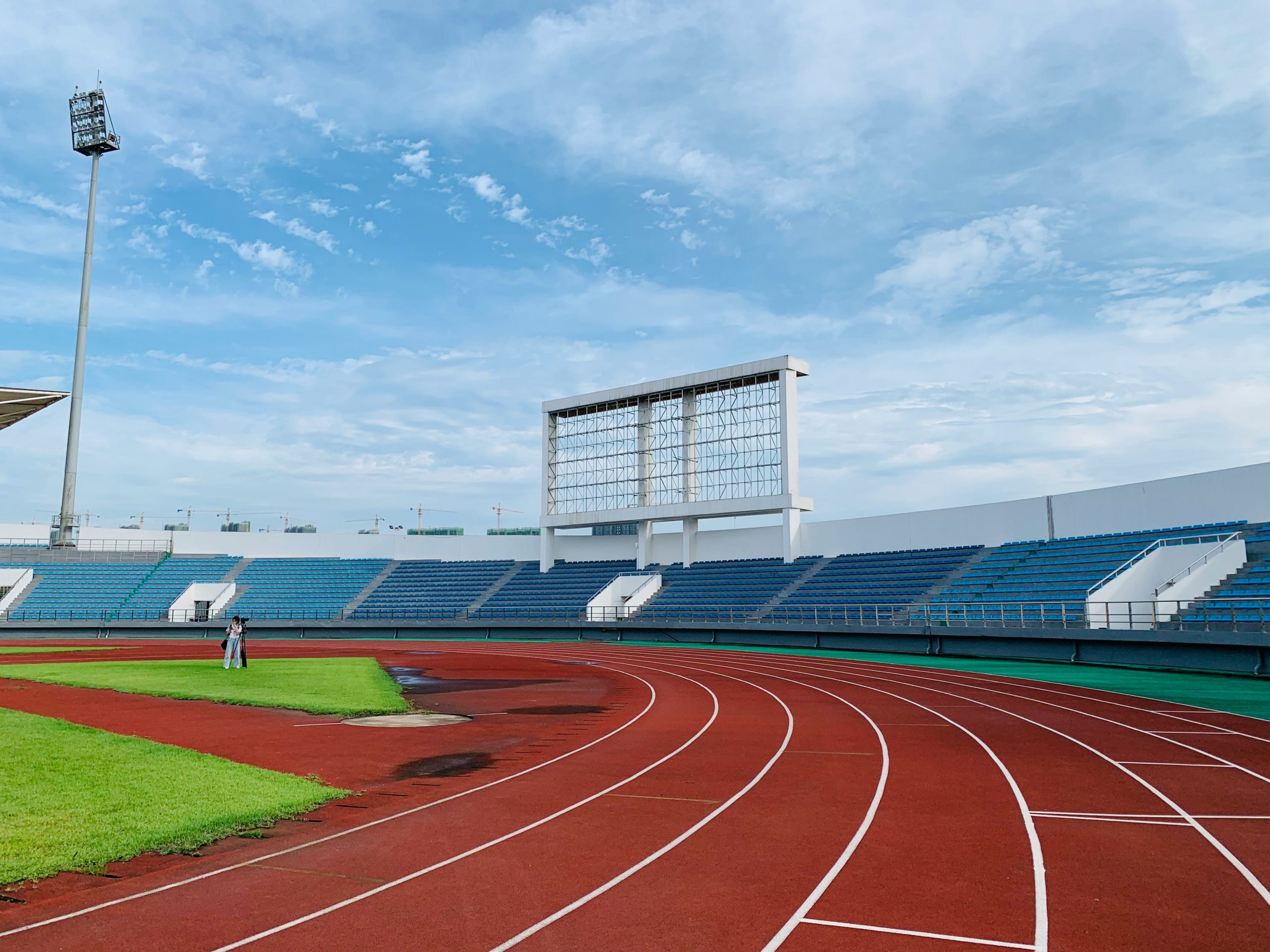
Looking for a sustainable approach to managing end-of-life rubber?
At Inter Rubber, we support effective rubber waste management to help reduce environmental impact and promote responsible resource utilization. Join us in advancing the future of the rubber industry through Global Waste Tire Management solutions that support both environmental responsibility and sustainability.